Love and Deepspace
- 1.7
- Rating
- 10.00M
- Installs
- Free
- Price

 Analysis by App-foxy
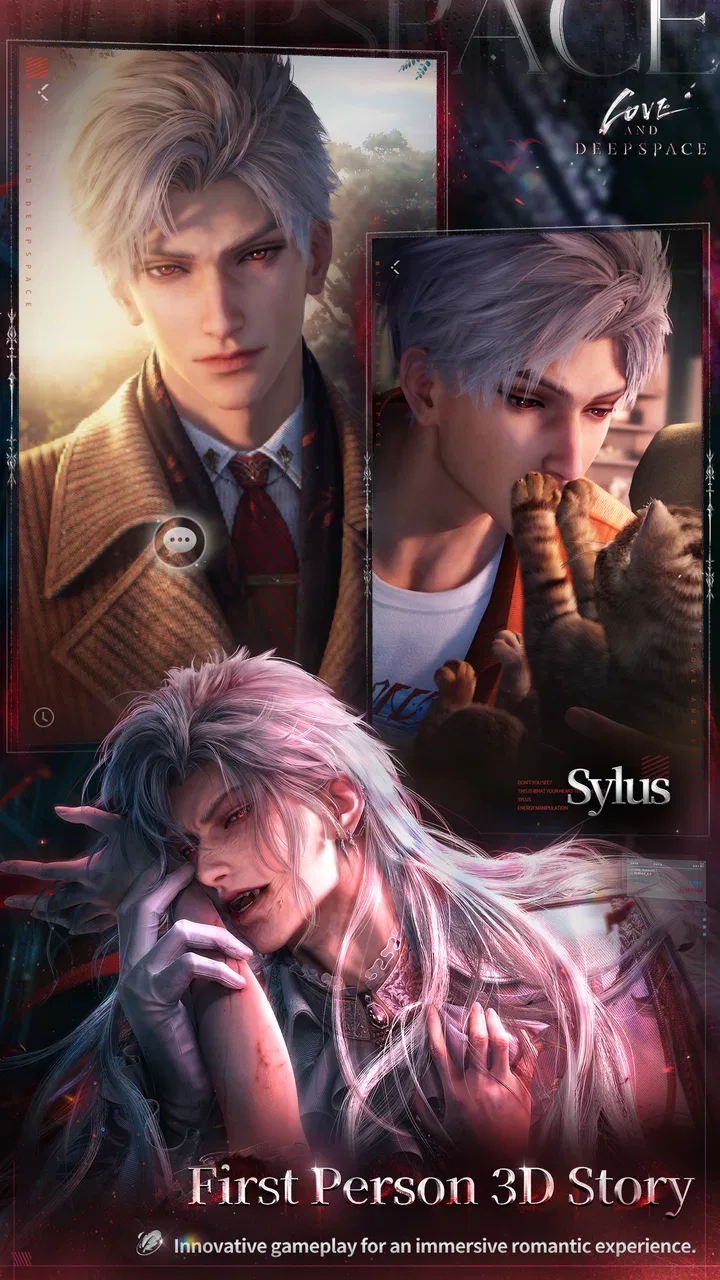
Love and Deepspace is a story-focused simulation game that caught me off guard with how much of its appeal comes from small, interactive moments rather than simply moving from one chapter to the next. It combines a science-fiction setting, relationship-driven scenes, character conversations, and immersive 3D interactions into an experience that feels closer to spending time with a cast of characters than completing a traditional action game.
I would describe it as a good fit for someone who enjoys romantic storytelling but still wants something to do between conversations. The game is free to download, developed by InFold Pte. Ltd., and aimed at a Teen audience. It is available for Android devices running version 6.0 or later, although the visual presentation means that a newer, capable phone will generally make the experience more comfortable.
The game has built a sizable audience, with more than five million installs and an average rating of 4.5 from roughly 158 thousand ratings. Those figures do not automatically make it a perfect choice, but they do reflect the fact that its combination of character interaction and polished presentation has found a clear audience.
You May Also Like

 Blood Strike: 2.5 Anniversary
Blood Strike’s Loadouts Turn Every Drop Into a Tactical Gamble
A close look at Blood Strike’s custom loadouts: how fast access to signature weapons reshapes its battle royale rhythm, rewards preparation, and narrows the gap between fights.

 Pandora - Music & Podcasts
Pandora’s Music Is Easy to Start, but Harder to Recover
Pandora’s strength is its low-effort path from a seed to a station. Its weak spot is how much confidence it asks you to place in connection, setup, and quiet recovery.

 8 Ball Pool
 Is Built on Rivalries, Rematches, and Routine
A close look at the rivalries, rematches, shared routines, and unanswered safety questions that turn a quick pool match into a persistent mobile community.

 Samsung Music
’s Quiet Strength Is Playing What You Already Own
Its reach comes less from spectacle than from dependable access to a personal library. That simplicity is both the app’s strongest retention engine and its ceiling.

 AccuWeather: Weather Radar
AccuWeather Review: A Quick, Clear Forecast for Everyday Decisions
For everyday plans, the best forecast is the one you can understand quickly. AccuWeather makes rain timing, radar, and local conditions easy to act on, with a few trade-offs.

 Hill Climb Racing
Why Hill Climb Racing Still Turns Crashes Into One More Run
A tiny car, a bumpy hill and one more upgrade: Hill Climb Racing keeps resurfacing because its simple chaos makes every near-miss feel personal.
More From Our News Desk



What the first session actually feels like
My first impression was that the game wants me to slow down and pay attention. It is not structured like a quick puzzle game where I can understand everything in a minute and leave. The opening asks me to absorb the setting, meet the main characters, and learn how the interactive parts connect to the narrative. That makes the beginning feel more like starting a serialized drama than launching a conventional mobile simulation.
The 3D presentation is central to the experience. Characters are presented with enough detail and animation that facial expressions, gestures, and the framing of a scene matter. I found myself watching interactions for the tone as much as for the words. If you usually skip dialogue in mobile games, this is probably not the right habit to bring here, because much of the reward depends on noticing how conversations and character moments develop.
At the same time, it is not just a passive visual story. The game gives me interactive moments that break up the reading and viewing. These activities help the experience feel personal, even when the underlying structure remains guided. The balance is important: I am not given total freedom, but I do feel involved in the rhythm of the relationship and the story.
The most useful expectation to set is this: Love and Deepspace is a character experience with game systems around it, not a combat game with romance added as decoration. That distinction helps explain both its strengths and its limitations. Players looking for emotional scenes, attractive presentation, and regular character-focused interactions will understand the appeal quickly. Players seeking deep exploration, complex strategy, or a large open world may find the experience too directed.
Who will enjoy it, and who may want something else
I would recommend it to players who like science-fiction romance, character collection, dialogue-heavy storytelling, and short sessions that gradually build familiarity with a cast. It also works well for people who enjoy checking in frequently rather than finishing a whole campaign in one sitting. A few minutes can be enough to read a scene, complete a small interaction, or see what is available before returning later.
I would be more cautious about recommending it to someone who wants a completely free romantic story with no interest in optional purchases. The game is free, but it includes in-app purchases ranging from $0.49 to $99.99 per item. That range makes it especially important to decide early whether you are comfortable treating purchases as optional extras or whether you would rather avoid games with this kind of monetization altogether.
It is also not my first choice for a player who wants a purely relaxing idle game. There is a fair amount to read, follow, and understand, and the emotional tone may ask for more attention than a background activity. Compared with a straightforward visual novel, it offers more interactivity and a stronger 3D presence. Compared with a traditional simulation game, it places much more weight on narrative and relationships than on managing resources or building a virtual space.
Installing it without making the opening harder than it needs to be
Before starting, I would make sure the phone has enough free storage and that the device is running Android 6.0 or later. The minimum operating-system requirement is modest, but the game’s 3D scenes are more demanding than a basic text-based title. On an older phone, I would expect longer loading or less comfortable performance, so closing other demanding apps before the first session is a sensible precaution.
The current version is 5.0.0, which is useful to check when troubleshooting. If the game behaves differently from what you see in a guide, the version number can explain why a menu or sequence does not look identical. I would also begin with a stable connection, especially during the initial setup, rather than assuming the first launch will be as simple as opening an offline game.
Once inside, I recommend resisting the urge to tap through every explanation as quickly as possible. The early tutorial information is not just decoration; it establishes how the game separates story scenes, interactive moments, and progression. I found that remembering where each type of activity lives made later sessions much less confusing.
A practical first-session routine is to play until you understand the basic loop, then stop before trying to unlock everything at once. This avoids the common beginner mistake of spending all available resources immediately because several attractive options appear together. The early game is a better time to learn what each reward is for than to chase every visible button.
How I reached the first meaningful success
For me, the first meaningful success was not simply completing the opening scene. It was reaching the point where I could return to the game and know what I wanted to do next. That happened after I followed one character-focused sequence carefully, completed the immediate interactive task, and checked the resulting progression instead of jumping randomly between menus.
My advice is to treat the first character interaction as a learning exercise. Watch how the game presents the conversation, notice when it asks for input, and pay attention to what changes after the scene ends. This gives you a working understanding of the game’s rhythm without requiring a guide or a perfect early decision.
When several activities become available, choose the one that continues the current story or explains a system you have not used yet. That choice is usually more valuable than selecting something only because its icon looks rewarding. The game can present many attractive prompts, but the clearest path for a newcomer is to finish one small chain from beginning to end.
I also suggest taking a moment to read the descriptions attached to rewards and progression items. A new player may assume that every collectible has the same purpose, but the game’s different layers are easier to manage when I understand whether an item supports a scene, an interaction, or a broader progression route. This is one of those small habits that saves frustration later.
My beginner rule is simple: complete one full activity chain before spending anything that feels limited. That gives you context, shows what the game is asking you to value, and reduces the chance of making an impulsive choice just because a new character moment is presented attractively.
The details that make the interactions work
The strongest part of the game is how it uses presentation to make ordinary exchanges feel more immediate. Camera position, timing, animation, and voice delivery all contribute to the mood. I noticed that the 3D scenes are most effective when I let them play at their intended pace rather than treating them as obstacles between rewards.
This also creates a trade-off. The more attention the game gives to presentation, the less it feels like a quick menu-driven app. A short session can become longer than expected if I follow a scene naturally. That is enjoyable when I am in the mood for it, but less convenient when I only have a minute and want instant progress.
Another non-obvious strength is that the game encourages me to remember character context. The experience is more satisfying when I notice how a character behaves across different situations instead of treating each scene as an isolated clip. I found it helpful to focus on one relationship thread at a time, because jumping constantly between unrelated content can make the emotional progression feel thinner.
The game also benefits from headphones or a quiet environment, not because they are required, but because sound and delivery help distinguish a memorable scene from a routine menu interaction. If you are playing in a busy place, you can still follow the story, but you may miss part of what makes the presentation feel intimate.
Where first-time players commonly get confused
The main source of confusion is the number of things competing for attention. A newcomer may see story content, character-related options, rewards, and progression prompts without immediately knowing which one matters most. I initially found it tempting to open everything, but that made the structure feel more complicated than it really was.
The solution is to identify the game’s immediate objective before exploring optional areas. Ask yourself whether you are trying to continue the story, understand a character interaction, or improve your broader progression. Once that purpose is clear, the menus become easier to interpret because I am no longer judging every option by appearance alone.
Another point worth understanding is that attractive presentation does not mean every choice needs an immediate purchase. Because the game includes optional items across a wide price range, I would recommend deciding on a personal spending boundary before browsing purchase screens. Waiting until you understand which activities you actually enjoy is much safer than buying first and learning later.
The Teen rating is also a useful reminder that the tone is aimed at older children and adults rather than very young players. The romantic themes and dramatic situations are part of the identity of the game, so parents should consider whether that style is suitable for the person using the device.
If the game feels slow at first, I would not assume that it has nothing to offer. The opening is designed to establish characters and atmosphere, and its value becomes clearer once the interactive sections begin to connect with the narrative. On the other hand, if you dislike reading or relationship-focused storytelling after giving the opening a fair try, more time is unlikely to transform it into a different genre.
How to make progress without turning it into a chore
I get the best results when I give each session one clear purpose. On a busy day, that might mean completing a short interaction and checking the next story step. When I have more time, I can explore character content and let the longer scenes breathe. This approach prevents the game from becoming a checklist and makes the return visits feel more intentional.
A useful workflow is to start with the most direct story prompt, then use any remaining time for optional character content. That order keeps the main narrative moving while still leaving room for the personal interactions that make the game distinctive. If I start with every optional activity, I can lose track of why I opened the game in the first place.
I would also avoid comparing progress with players who spend heavily. The purchase range reaches from small optional items to much more expensive individual purchases, and that can create pressure if I treat every visible reward as necessary. The better question is whether the free experience already gives me enough story and interaction to justify continuing. For many players, the answer will depend more on their attachment to the characters than on competitive goals.
One of the game’s less obvious trade-offs is that collecting and emotional storytelling can pull in opposite directions. Collecting encourages me to chase more content, while the story encourages me to slow down and appreciate what I already have. I prefer setting a personal priority: either follow the narrative first or experiment with collection systems after I understand them. Trying to maximize both immediately can make the game feel expensive and busy.
What makes it different from familiar alternatives
Compared with a standard visual novel, Love and Deepspace adds a more physical sense of presence through its 3D scenes and interactive presentation. I am not only reading lines on a static screen; I am watching characters occupy a space and respond through movement and framing. That makes the romantic atmosphere more immediate, though it also means the game may take more device resources and more of my attention.
Compared with a conventional simulation title, it is less about constructing a system and more about developing familiarity with characters. There is no reason to approach it expecting the open-ended management of a city builder or the optimization puzzles of an economy simulator. Its simulation label makes the interactive relationship elements understandable, but the heart of the experience is still narrative.
Compared with a purely action-oriented science-fiction game, it gives emotional context much more room. The futuristic setting supports the mood, but the main reason to continue is not simply to defeat increasingly difficult opponents. If you want fast reflex challenges above all else, another category will probably suit you better. If you want action to support a relationship story, this combination is more unusual.
That blend is why I think the game has a clear identity. It does not fully replace a visual novel, a romance game, or a simulation game; instead, it borrows familiar elements and connects them through 3D character interactions. Whether that feels fresh or unfocused depends on which part you value most.
The next step after the opening
After completing the introductory path, I recommend choosing one character or story thread to understand properly before spreading your attention across everything available. This makes it easier to notice the game’s emotional pacing and to decide whether the relationships are strong enough to keep you returning.
Once the basic loop feels comfortable, experiment with optional content gradually. Read what each activity offers, check how it connects to your current goals, and keep your spending decision separate from your excitement about a scene. The most satisfying progression comes from knowing why you are choosing something, not from opening every reward immediately.
It is also worth deciding what kind of player you are. If you want a daily story ritual, the game can fit neatly into that routine. If you prefer long uninterrupted campaigns, you may find the segmented structure less compelling. If you mainly want attractive characters and short interactive moments, you may enjoy it even when you do not pursue every progression layer.
In my experience, Love and Deepspace is at its best when I approach it patiently: follow the story, give the 3D scenes room to work, and treat purchases as optional rather than as the definition of progress. The game is free to start and has enough personality to make that first session memorable, but its appeal depends heavily on enjoying romance, dialogue, and character-focused pacing.
I would recommend giving it a try if you want a polished science-fiction relationship game with interactive 3D presentation and a clear emotional focus. I would skip it if you are looking for a deep management simulator, a completely passive idle experience, or a game where the main satisfaction comes from rapid action. For the right player, the first real success is not simply finishing a tutorial; it is finding a character and a routine that make you want to come back.
FAQs for Love and Deepspace
01What is the main objective of Love and Deepspace?
Love and Deepspace is an immersive space exploration game that combines elements of adventure and romance. Players navigate through the cosmos, forming alliances and relationships with other characters, while completing missions and uncovering the mysteries of the universe. The game uniquely blends narrative-driven gameplay with strategic decision-making.
02Do I need an internet connection to play Love and Deepspace?
While Love and Deepspace offers offline play for the main storyline, certain features such as multiplayer missions, leaderboards, and in-game events require an internet connection. To fully enjoy all aspects of the game, including updates and community interactions, a stable connection is recommended.
03How does character interaction work in Love and Deepspace?
In Love and Deepspace, character interaction is a key component. Players engage with diverse characters through dialogue choices, affecting their relationships and the storyline's progression. These interactions can lead to alliances or rivalries, impacting mission outcomes and unlocking unique narrative paths.
04Are there in-app purchases in Love and Deepspace?
Yes, Love and Deepspace includes in-app purchases. These are optional and offer players the ability to buy cosmetic items, boosters, and additional story content. However, the game is designed to be fully enjoyable without spending money, allowing players to progress through skill and strategy alone.
05What devices are compatible with Love and Deepspace?
Love and Deepspace is available on both Android and iOS platforms. It requires a device running Android 8.0 or iOS 12.0 and above. The game is optimized for both smartphones and tablets, ensuring a smooth experience with detailed graphics and responsive controls on various screen sizes.
Pros
- Stunning visuals create an immersive experience.
- Intuitive controls enhance gameplay enjoyment.
- Regular updates with new content.
- Engaging story keeps players intrigued.
- Multiplayer mode adds social interaction.
Cons
- Requires internet connection to play.
- In-app purchases can be pricey.
- Battery drains quickly during play.
- Occasional lag in multiplayer mode.
- Limited offline features available.

Love and Deepspace
Gallery